
B is for …..
B is for Body Language. Now that was a surprise, wasn’t it?! I bet you thought I was going to either write about beliefs or behaviours!
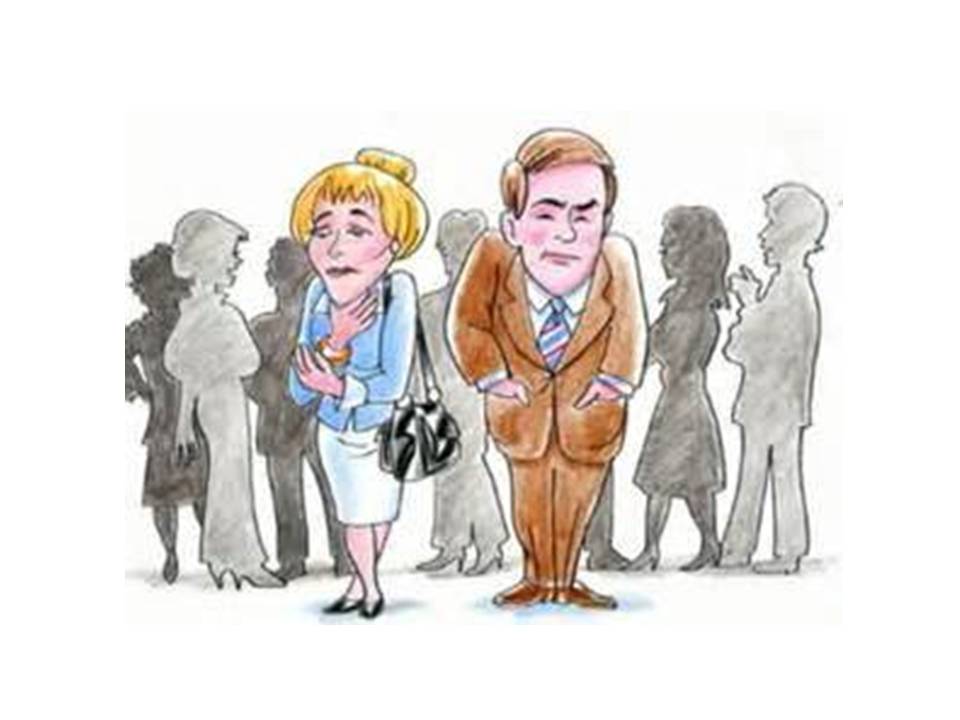 Have you ever thought about what you’re saying about yourself without even saying a word? The first impressions we create are made at lightning speed, they say in the first 7 seconds of meeting someone. Edward T Hall, social anthropologist, stated that 65% of the messages we transmit in normal conversation is through our body language and can therefore provide clues as to how we are feeling about the subject we are discussing at the time. It just shows that body language can reveal how we feel about things on a conscious and unconscious level. A bit like the iceberg theory; the small part of the iceberg that shows above the surface being our words (the conscious) and the huge element under the water being the way we really feel, often subconscious.
As you can imagine, it’s really important that what we’re saying and what we’re doing are sending the same messages. When we say one thing and then do something different, we create confusion all around us. When we create uncertainty in this way, the people around us are much less likely to trust us and believe in our intentions. And if we’re always giving off negative vibes people decide to spend less time with us.
There are two specific cues that come from our body language; ‘status and power’ and ‘empathy and warmth’. The former is usually seen in the way we hold ourselves – our posture, widening of stance, head held high etc whilst empathy and warmth are more about the connections we make through a relaxed posture, our eye contact and of course our smile. When we have good posture and feel more confident, it lowers our levels of cortisol, the stress hormone, which means that we react better to stressful situations and come across as more assertive, confident and optimistic. This enables us to create power in every situation. And if you feel powerful you act upon it. However, don’t over-do it! Sitting with your feet on your desk with your hands behind your head certainly tells me you’re confident but it also creates an air of arrogance. Of course the opposite is also true. When we are hunched up we create less space and therefore feel powerless which may impact on us feeling more inhibited and less likely to take risks and act positively.
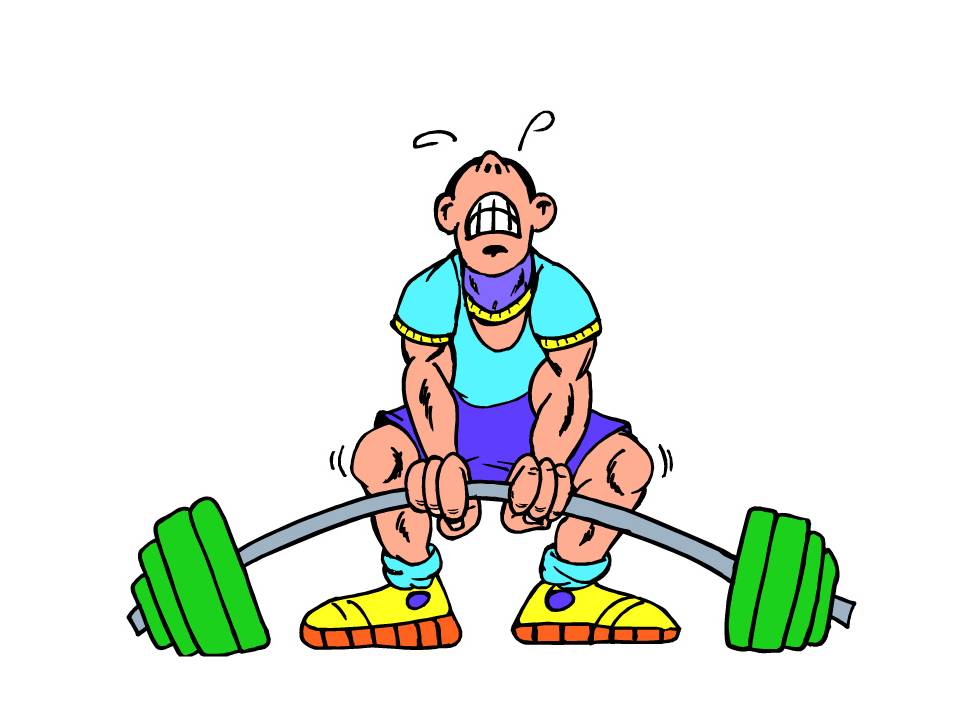 So can acting positive really help us? Charles Garfield, author of the Peak Performance Trilogy and coach of the Russian Olympic Weight Lifting team carried out a study with his team to understand whether smiling or grimacing had an effect on their performance. He found out that when an individual was tiring of lifting the weights they would grimace and give up on their repetitions. He asked them to focus on smiling when they began to tire and interestingly found that this message to the brain enabled them to achieve more repetitions.
Why don’t you try this out yourself? Create as little space with your body as possible. Hunch yourself up into a small ball and then think about a task that you’ve got to carry out – I bet your energy focuses on what you can’t do rather than what you can do. Now do the opposite, sit upright with your shoulders back, put a smile on your face and feel loved by everyone around you. Now think about the same task … how is the positive energy flowing now?
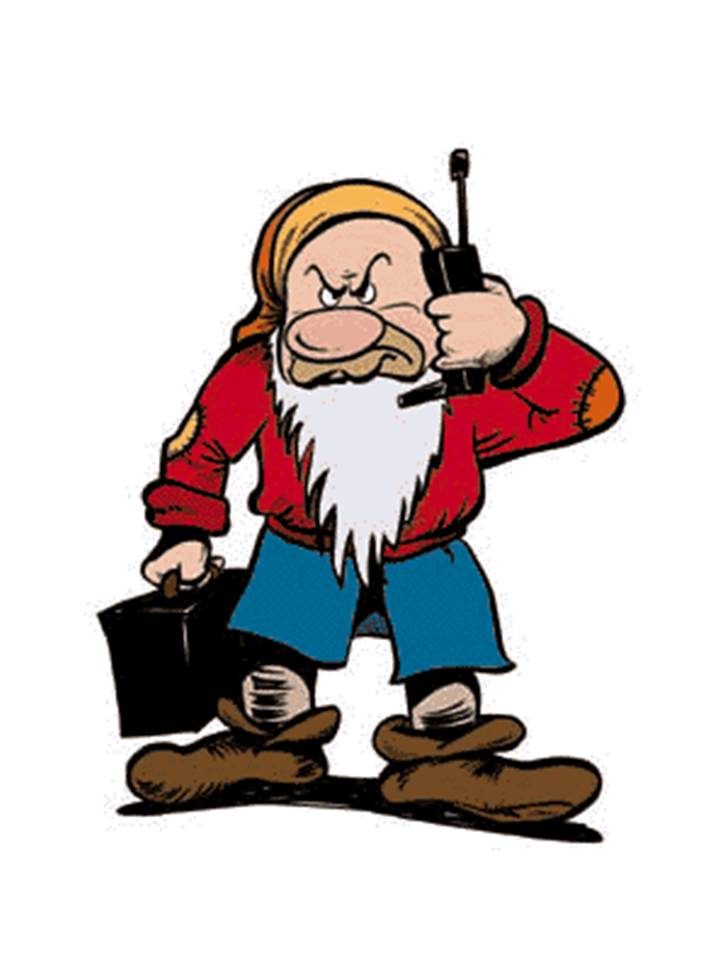 If our body language creates such an impact it means that whether we like it or not we are judged not so much on what we say but what we do. And of course, even if you think you are remaining open minded, it will also determine how you judge others. So the next time you get out of bed feeling a bit down in the dumps, suppress the bad mood and think of how you’d really like to be perceived by those around you. Spare a thought to how your body language may be impacting the attitudes and behaviours of others.
Here are a few tips to try out:
- Think ‘see, hear, feel’ whenever you meet someone for the first time, think about the impression you’re creating How would you like to be seen, what do you need them to hear and what is the overwhelming feeling that you’d like them to go away with?
- Have a firm handshake. There’s nothing worse than meeting someone who crushes your hand, it tells me status and control is very important to them. At the other end of the spectrum we have a ‘limp fish’ handshake which usually tells me about the person’s level of self belief.
- Be in the ‘here and now’. You can’t listen effectively to someone if your mind is wandering. If you have some issues on your mind, make a note of them before hand so that you can provide full focus on the situation in hand.
- Smile – if you’ve worked with me, you’ll know that one of my favourite sayings is, ‘if you see someone without a smile, give them one of yours’. Smiles are free to give away. They light up your face and make you feel more confident and help you to build rapport.
- Respect other people’s personal space – we all have our comfortable personal zones, usually about 50 centimetres. Don’t invade personal space. If you do, you’ll soon be aware of it as the other person will start to step back!
- Mirror and match. When you are trying to build rapport with someone you may it useful to mirror and match what the other person is doing. You can tell people who are in rapport with one another from across the room just by taking note of their body language as they will seem to be mirroring one another in the way they are seated, their hand gestures etc. This isn’t about mimicking them, it’s about copying subtle gestures. And if you try it out and think you’ve been rumbled …. stop straight away!
I know I’ve touched on being open minded, but be aware that you don’t use generalisations about a person’s body language to make any decisions. We’ve all heard people being described as ‘shifty’ when they can’t give you eye contact or ‘defensive’ if they’ve got their arms folded. However we’ve also been in situations where the person not giving us eye contact is extremely nervous and the person with their arms folded sees this as a relaxing way to sit! So next time you’re about to be influenced by the way someone is sitting, ask yourself whether you are interpreting it in the context of the person, place and situation.
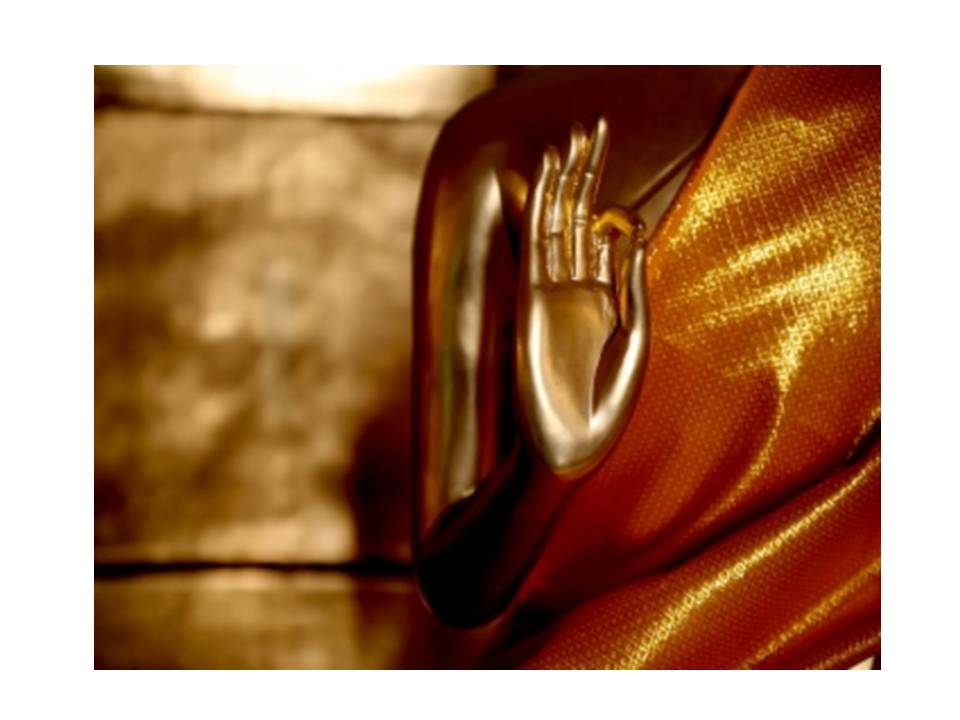 And if you’re travelling abroad remember that not all signals are interpreted in the same way. For example when the tips of the first finger and the thumb create a circle, in England we interpret that as everything is okay. In France it means zero, in Greece its main meaning is to get lost and in eastern cultures it seen as an obscene gesture! Just be aware of what you’re saying ….
Let me leave you with this quote from John Napier –
If language was given to men to conceal their thoughts, then gesture’s purpose was to disclose them!