
Why wisdom matters more than credentials in leadership and organisational growth
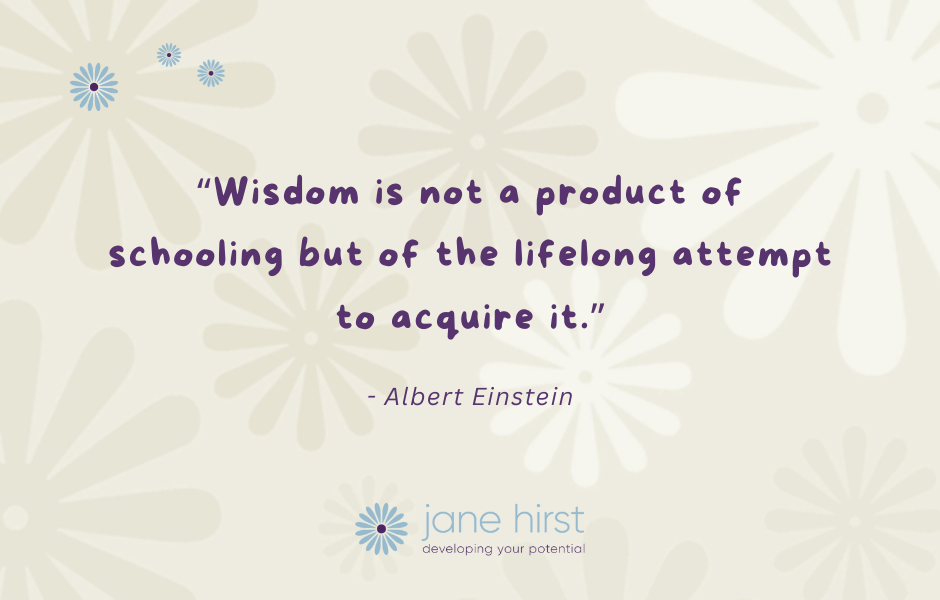
Don’t you find that even in 2025, many organisations still equate wisdom with credentials or technical expertise? Training and development is often treated as an endpoint and once completed, you’re ready to go.
But wisdom isn’t a qualification. It’s a way of being. It’s forged in the tension between knowing and not knowing, in the humility to keep learning, and the courage to act with integrity even when the answers aren’t clear. It’s the recognising that we’re all works in progress.
With that in mind, I see everyone as a wisdom-carrier. Because wisdom is deeply tied to our lived experiences, which stretch our perspectives and deepen our understanding of life.
However, wisdom grows not just from what happens to us, but how we engage with it. Traits such as curiosity, humility, and the ability to question our beliefs are more likely to deepen over time, especially when nurtured. Think about the learning we gain from mistakes. It’s not the mistake but the reflection we have as a result of it, that provides the learning.
In the past, I’ve acted as a mentor to students. I’ve helped them tap into some of my perceived wisdom and I’ve found key to their learning is to support them in asking better questions and providing them with the tools to listen deeply so they can connect the dots.
When we make our wisdom accessible to everyone, our teams become more adaptive, respectful, and inspired. Using our wisdom helps them see a different or extended picture. It can show them how to tolerate uncertainty, and balance competing truths. It also makes a difference on decision-making as we see it shift from being reactive to reflective as our people pause, consider their impact, and act with integrity.
So, how can you help your people seek out wisdom? Ask yourself, are we:
❓ Creating spaces for reflection, not just instruction?
❓ Encouraging questions that deepen understanding, not just confirming knowledge?
❓ Valuing lived experience across roles from frontline to board room?
These three roles will help you transform the place you work from a training machine into a learning organisation.
Can you imagine what would happen if you brought these principles in your personal life, too 😉