
Have you ever made an assumption to find out it wasn’t true?
I’ve been reminded lately by a number of you that I haven’t sent out a newsletter in recent times and it’s true. I haven’t been in touch since January!!!
Even at the weekend, I bumped into someone I haven’t seen for quite a while, and they mentioned that they thought they’d slipped off my circulation list. This isn’t the case at all. I’ve penned a few articles and posted them on LinkedIn, but in general I’ve had a writing hiatus. Some of this is due to the large volumes of facilitation work, but, if I’m honest, I haven’t felt the urge to write about anything in particular.
And when I have, I’ve asked myself, ‘So what? How will this topic interest others? Is there any point?’ Which has, of course, diminished my motivation to write even more.
Having received your feedback, it has made me realise that my writing does make a difference, and whether it’s motivational or practical tools and techniques, my ‘missives’, as one colleague called them, hit home.
Lock In and Lock Out
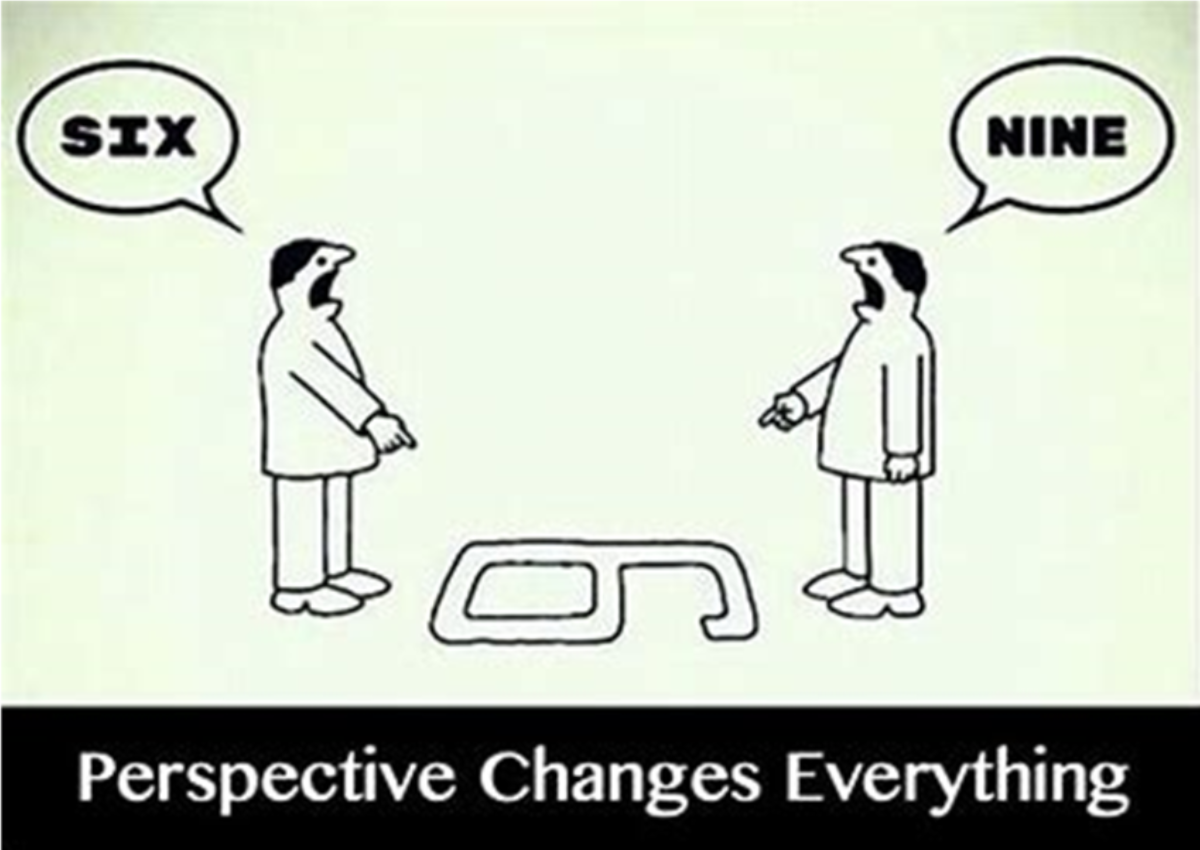 You may be surprised to know that what I’ve been suffering from is the ‘Lock in and lock out’ principle. We lock into one way of thinking and it prevents us from seeing another point of view.
I was locking into the thought process that I wasn’t telling you anything new or useful. However, I now know that what I was taking for granted in my own work wasn’t always readily available to others. I was assuming you were already au fait or using the techniques.
This principle is happening all the time. For example, we can lock into the way we think about someone perhaps in the way they present themselves, whether it be clothing, hair cut/colour, tattoos, or even the opinion someone else has of them, and this continues to cloud your judgement. You may recall making an assumption about someone only to find it was very different once you got to know them. Initially you’d locked into that way of thinking rather than keeping an open mind.
Let me give you another example…
 At the weekend I had some family time with a friend of my brothers on the River Ouse. I was talking to him about sailing, and he was saying how he enjoyed being on the river but he wasn’t confident about mooring the boat. In fact, he was worried of making a hash of it in front of everyone. I could tell he was feeling quite anxious about it as we approached the pontoon so said, ‘let’s just let these two boats come by and then we can take as much time as you need to get it right’.
At that point he said, ‘oh my goodness, thank you!’ At first I wondered what he meant however it soon became clear. He’d been so focused on where he wanted the boat to be, he’d locked his sight onto the pontoon and locked out the oncoming traffic. If I hadn’t mention the boats we could have had a bit of trouble on our hands!
A ‘lock-in lock-out’ mindset can occur for many reasons and in most cases is linked to our beliefs system. Afterall, it’s probably been a protector in the past. In the above case, it was because our captain was fueled by his emotion to get the job done as quickly as possible. The fear of potential failure was hindering his view of the bigger picture.
Other reasons may be down to our:
Comfort Zones: Sticking to familiar routines and avoiding new challenges.
Confirmation Bias: Seeking out information that confirms our existing beliefs and ignoring contradictory evidence.
Habits: Continuing to do things on automatic pilot because changing them seems too difficult.
Rigid Thinking: Being inflexible and unwilling to consider alternative viewpoints
We can over come this by:
✨ Seeking out regular feedback on what’s working well and what would make it even better. Don’t see feedback as criticism, but a way of helping you become the best version of yourself.
✨ Some self-reflection never goes amiss. You’ll know what felt good and what felt a bit uncomfortable. Lean into those emotions. What would you do differently if you had to do that task again and what would you expect as a better outcome?
✨ Seeking out new experiences to break away from your comfort zones. This will help you to grow. When we’re open minded to new ideas and new perspectives, we often challenge our beliefs systems, which helps us to see the world in a very different light.
✨ Which leads onto my all-time favourite …. remain curious. Find out as much as you can rather than letting past experiences be your only guidance. If we want things to be different, we’re the ones that can make that happen.
So, my questions for you today are…..
❓ Where is your current way of thinking hampering your progress rather than helping you towards either a personal or professional goal?
❓ What if that current belief is out of date? What’s the worst thing that could happen/best thing that could happen?
❓ What dolly step can you take today to move towards your goal?
Now go ahead and take it… and then continually find ways to move forward!
I’d recommend this book
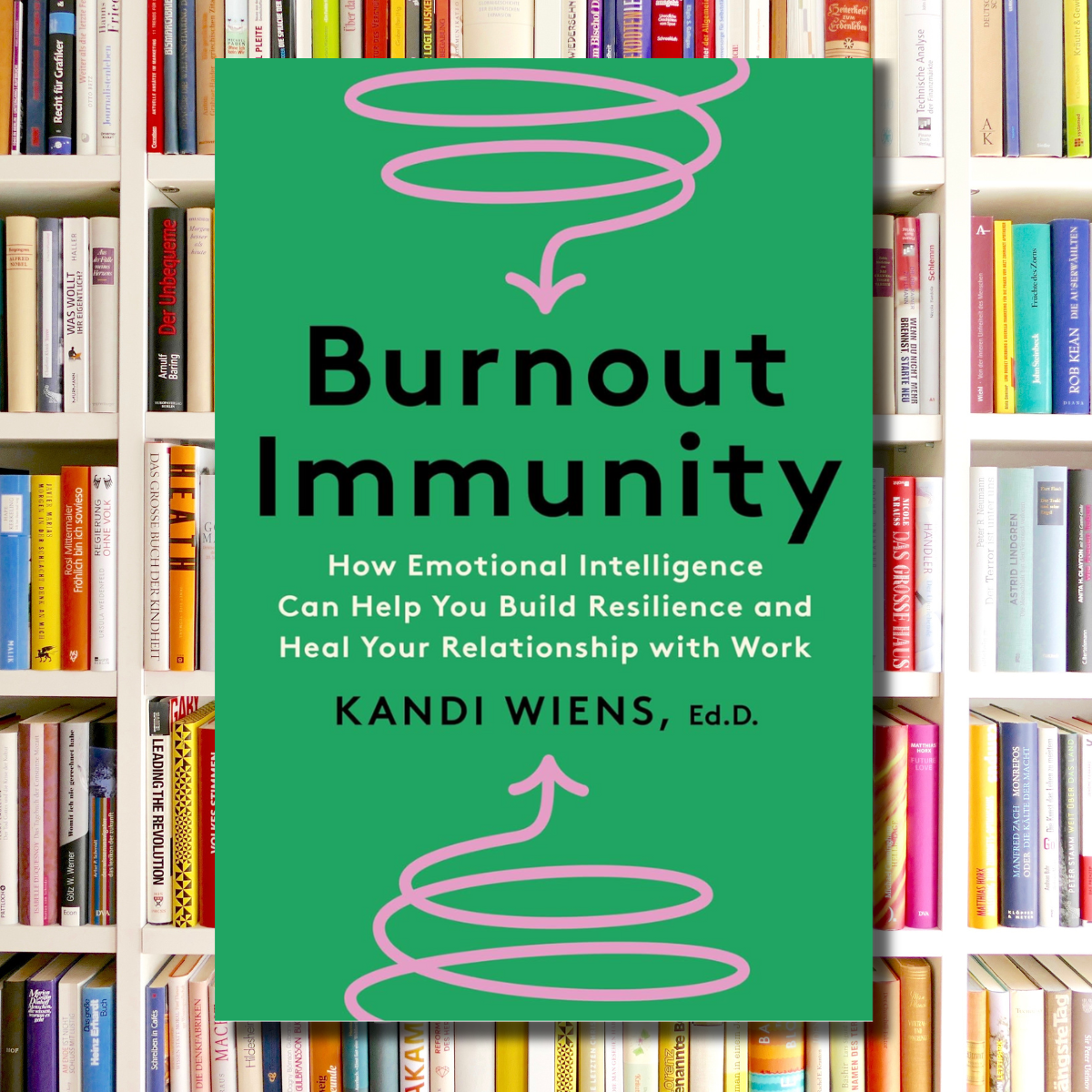
A lightbulb moment for me when reading this book by Kandi Wiens was…
People at risk of burnout aren’t just those with high demanding roles. They’re often the people who genuinely love their jobs and routinely go the extra mile. When you love what you do you become emotionally invested and overextend yourself.
Sound familiar? When we make too many personal sacrifices we lose sight of our self-care and make ourselves vulnerable to burnout. Protect yourself by creating some boundaries. When we improve our boundaries and become kinder to ourselves, our life tends to improve too.
And I’d recommend this podcast
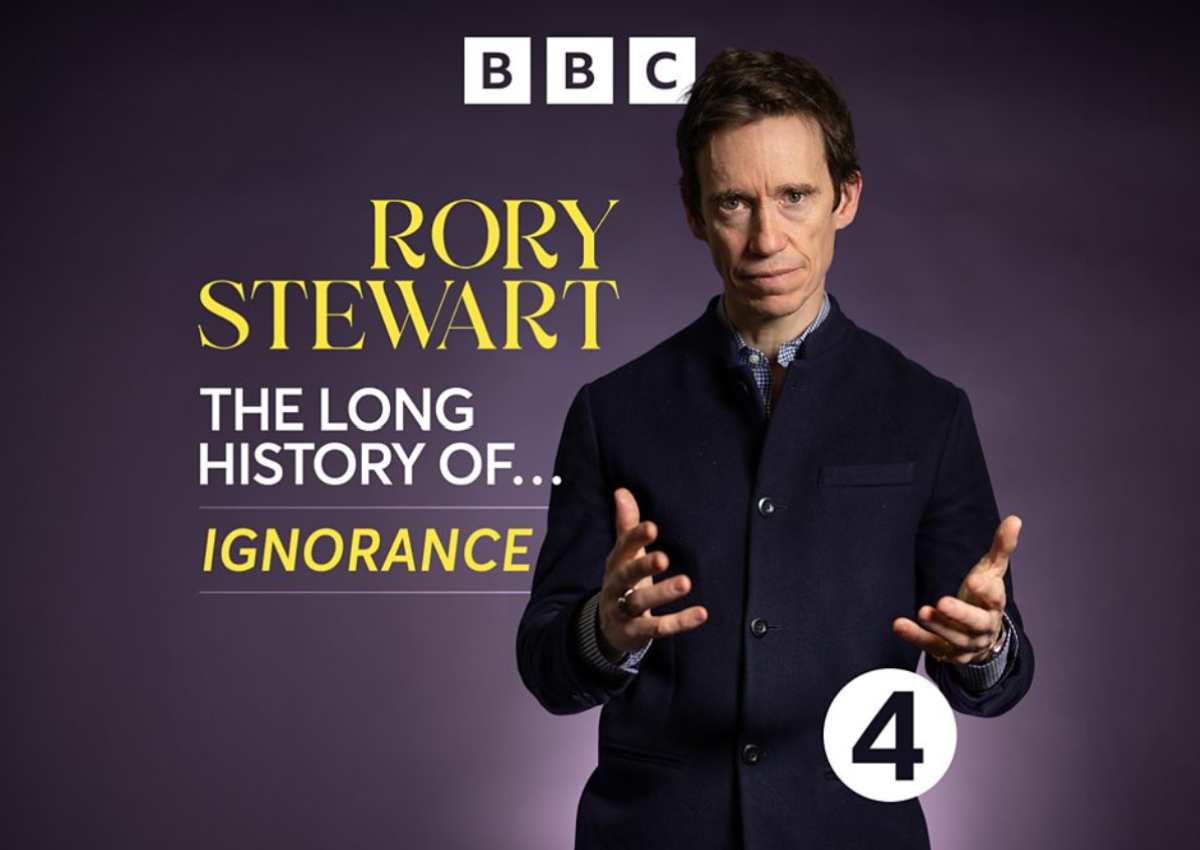
As you know, I love Rory Stewart and Alistair Campbell on ‘The Rest is Politics’ Podcast.
Here, Rory’s premise is that we should be more accepting of the fact that knowing nothing is a wise thing to do.
In an era where we vie for certainty in our lives, this podcast shows how it often results in mistakes and confusion instead. Have a listen to it and let me know what you think.